

The History of Date Palms
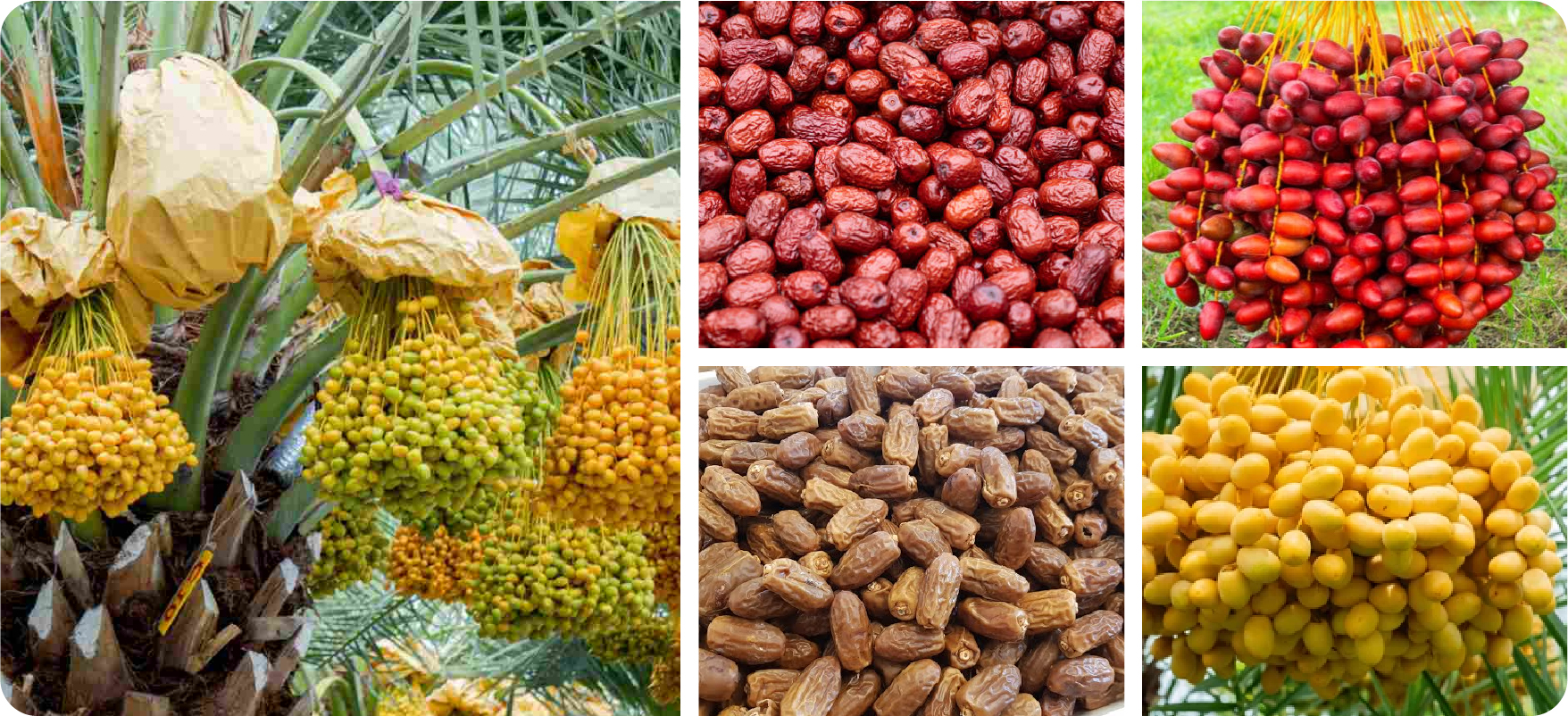
The date palm (Phoenix dactylifera) is not only a valuable crop but also one of the world's oldest fruit-bearing plants, deeply connected with human history, culture, and survival.
1. Origins and Domestication
2. The "Tree of Life" in Ancient Civilizations
For people living in desert regions, the date palm was considered the "Tree of Life" because it withstands extreme heat and provides an important source of nutrition.
- Ancient Egypt: Dates were used to make wine and as an energizing food, while palm leaves were woven into mats and used for roofing.
- Religious significance: Dates feature prominently in Islam, Christianity, and Judaism, symbolizing abundance, peace, and warm hospitality.
3. The Spread of Date Cultivation
Through Arab trade routes and travel, date palms spread to North Africa and Europe, including Spain. In the 18th and 19th centuries, Spanish missionaries brought date seeds to the Americas, especially California and Mexico, which are now major producers of high-quality dates.
4. Modern Agriculture and Commercial Development
With advances in agricultural technology, including tissue culture, date cultivation has expanded beyond deserts into tropical regions and Southeast Asia. Fresh-eating varieties such as Barhee and dry varieties such as Medjool are being developed in large orchards integrated with real-estate projects, supporting economic growth and agritourism.
From a traditional desert crop, the date palm has evolved into a globally important crop that offers both health benefits and a strong, sustainable investment opportunity.


